Retatrutide: The Next Generation of Weight Loss, Fat Reduction, and Metabolic Health

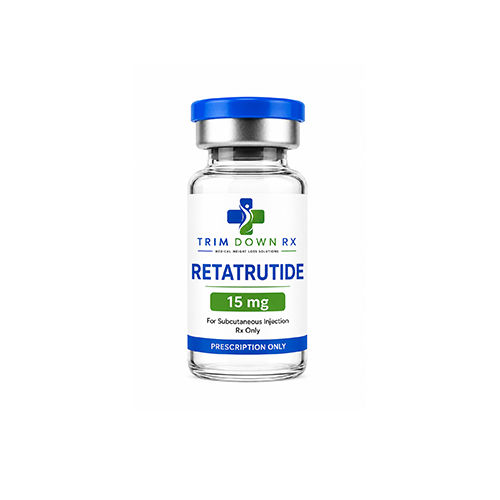
Retatrutide: The Next Generation of Weight Loss, Fat Reduction, and Metabolic Health
Retatrutide is transforming the scientific understanding of weight management, metabolic regulation, and obesity treatment. Developed by Eli Lilly and Company, this innovative investigational peptide targets three important hormone receptors involved in appetite, glucose regulation, and energy metabolism.
Unlike traditional weight management medications that target one or two metabolic pathways, Retatrutide activates three complementary hormonal systems. This triple-action mechanism has produced remarkable results in clinical trials, including substantial body weight reduction, improved blood sugar regulation, and measurable improvements in several cardiometabolic health markers.
As research continues to advance, Retatrutide has become one of the most closely watched developments in metabolic medicine.
What Is Retatrutide?
Retatrutide, also known by its research designation LY3437943, is a synthetic peptide developed to activate three metabolic hormone receptors simultaneously.
It belongs to a class of compounds called triple receptor agonists, specifically targeting:
GLP-1 (Glucagon-Like Peptide-1): Regulates appetite, supports glucose-dependent insulin secretion, and slows gastric emptying.
GIP (Glucose-Dependent Insulinotropic Polypeptide): Enhances glucose-dependent insulin release and participates in metabolic regulation.
Glucagon: Influences liver metabolism, energy expenditure, and the mobilization of stored energy.
This combination gives Retatrutide a distinct mechanism compared with single-receptor GLP-1 medications and dual-receptor medications such as tirzepatide.
Retatrutide remains an investigational compound and is not FDA-approved as of October 2026. Its reported benefits come from controlled clinical research.
What Is Retatrutide Made Of?
Retatrutide is composed of a scientifically engineered chain of amino acids. These amino acids form a synthetic peptide designed to interact with specific receptors involved in human metabolism.
Its molecular structure includes a fatty diacid modification that extends its activity in the body.
Retatrutide is not a mixture of three separate hormones. It is a single engineered peptide that activates three different hormone receptors.
Its composition provides several important characteristics:
A single molecular structure with triple-receptor activity.
Prolonged activity that supports once-weekly administration in clinical studies.
Targeted interaction with metabolic signaling pathways.
Simultaneous activation of mechanisms involved in appetite and glucose regulation.
Pharmacological activity across GLP-1, GIP, and glucagon receptors.
This molecular engineering distinguishes Retatrutide from conventional weight management compounds.
How Does Retatrutide Work?
Retatrutide works by activating three interconnected hormonal pathways that influence how the body regulates food intake, blood sugar, and energy balance.
1. GLP-1 Receptor Activation: Appetite Regulation
GLP-1 receptor activation influences the brain's appetite-regulating pathways and the digestive system.
This activity promotes fullness, reduces hunger, and supports lower food consumption.
GLP-1 signaling also enhances insulin secretion when blood glucose levels are elevated and slows gastric emptying.
These effects contribute to the substantial weight reduction observed during Retatrutide clinical trials.
2. GIP Receptor Activation: Glucose and Metabolic Regulation
GIP is an incretin hormone involved in glucose-dependent insulin secretion and metabolic signaling.
Retatrutide activates GIP receptors alongside GLP-1 receptors, creating complementary effects on blood sugar regulation.
The combination contributes to improved glycemic control observed in participants with type 2 diabetes.
3. Glucagon Receptor Activation: Energy Metabolism
Glucagon receptor activation influences hepatic energy metabolism and pathways associated with energy expenditure.
This third receptor target distinguishes Retatrutide from medications that activate GLP-1 alone or GLP-1 and GIP together.
Its addition creates a broader metabolic mechanism that researchers are investigating to understand Retatrutide's substantial weight-loss effects.
The Benefits of Retatrutide Demonstrated in Clinical Research
1. Significant Body Weight Reduction
Weight reduction is the most extensively documented benefit of Retatrutide.
In a Phase 3 trial involving 2,339 adults with obesity, participants receiving the highest studied dose experienced an average body weight reduction of 25.0% after 80 weeks, compared with 3.9% in the placebo group.
Earlier Phase 2 research documented an average weight reduction of 24.2% after 48 weeks in the highest-dose group.
These findings establish Retatrutide as a highly effective investigational weight-reduction therapy in the populations studied.
2. Reduced Appetite and Improved Satiety
Retatrutide activates hormonal pathways that regulate hunger and fullness.
Its GLP-1 activity supports appetite suppression and satiety, helping explain the lower energy intake and substantial weight reduction associated with treatment.
The combined receptor mechanism targets biological processes involved in food consumption and weight regulation.
3. Improved Blood Sugar Regulation
Retatrutide demonstrated substantial improvements in glycemic control among participants with type 2 diabetes.
In the Phase 3 TRIUMPH-2 trial, participants receiving Retatrutide experienced average HbA1c reductions of approximately 1.4 to 1.6 percentage points after 80 weeks, compared with 0.2 percentage points in the placebo group.
HbA1c reflects average blood glucose over approximately three months.
These results demonstrate Retatrutide's effects on blood sugar regulation in adults with obesity or overweight and type 2 diabetes.
4. Reduced Waist Circumference
Retatrutide treatment produces meaningful reductions in waist circumference.
Clinical trial findings have documented decreases in abdominal measurements alongside substantial total body weight reduction.
Reduced waist circumference is an important marker of improvement in central obesity and cardiometabolic risk.
5. Improved Triglyceride Levels
Retatrutide has demonstrated reductions in triglycerides, an important type of fat circulating in the bloodstream.
In reported Phase 3 findings, participants receiving the highest studied dose experienced average triglyceride reductions approaching 40%.
These findings demonstrate improvements in an important metabolic risk marker.
6. Improved Cholesterol-Related Markers
Clinical studies have documented reductions in non-HDL cholesterol during Retatrutide treatment.
Non-HDL cholesterol represents cholesterol carried by potentially atherogenic lipoproteins.
Improvement in this measurement is an encouraging cardiometabolic finding, although a reduction in cholesterol markers does not by itself establish a reduction in heart attacks or strokes.
7. Reduced Blood Pressure
Retatrutide clinical trials have documented reductions in systolic blood pressure.
In reported Phase 3 results, average systolic blood pressure decreased by approximately 10.8 mmHg in a high-dose treatment group.
This improvement represents another measurable change in cardiovascular risk factors observed during treatment.
8. Improved Weight-Related Knee Osteoarthritis Symptoms
Retatrutide has demonstrated reductions in knee pain among clinical trial participants with obesity and knee osteoarthritis.
In the Phase 3 TRIUMPH-1 study, participants receiving Retatrutide experienced greater improvements in knee pain scores than participants receiving placebo.
These findings connect substantial weight reduction with improvements in an important obesity-related complication.
9. Reduced Obstructive Sleep Apnea Events
Clinical research has documented reductions in apnea and hypopnea events among participants with obesity and obstructive sleep apnea.
These events represent episodes of stopped or reduced breathing during sleep.
The Phase 3 TRIUMPH-1 study demonstrated significant improvements in apnea-hypopnea measurements compared with placebo.
10. Improved Markers of Systemic Inflammation
Reported Phase 3 research has documented reductions in high-sensitivity C-reactive protein (hs-CRP), a blood marker associated with systemic inflammation.
In one high-dose treatment group, the average reduction exceeded 50%.
These results provide evidence of improvements in inflammation-related biomarkers during Retatrutide treatment.
11. Multiple Metabolic Effects Through One Molecule
One of Retatrutide's defining scientific advantages is its triple-receptor design.
A single peptide activates pathways associated with:
Appetite and satiety regulation.
Glucose-dependent insulin secretion.
Energy metabolism.
Body weight regulation.
Cardiometabolic risk factors.
This integrated mechanism represents an important advancement in the development of metabolic therapies.
Retatrutide vs. Semaglutide vs. Tirzepatide
Retatrutide belongs to a newer generation of hormone-based metabolic compounds.
Compound | Receptor Targets | Primary Mechanism |
Semaglutide | GLP-1 | Appetite and glucose regulation |
Tirzepatide | GLP-1 + GIP | Dual incretin receptor activation |
Retatrutide | GLP-1 + GIP + Glucagon | Triple metabolic receptor activation |
Retatrutide adds glucagon receptor activation to the dual GIP and GLP-1 mechanism.
Its Phase 3 trials have demonstrated substantial weight reduction. However, results from separate studies do not establish superiority over another medication without an appropriate direct comparison.
What Do Clinical Studies Say About Retatrutide?
Retatrutide has progressed through Phase 2 and Phase 3 clinical research, generating significant evidence of its effects on obesity and metabolic health.
Key findings include:
24.2% average weight reduction after 48 weeks in a Phase 2 high-dose group.
25.0% average weight reduction after 80 weeks in the highest-dose group of the Phase 3 TRIUMPH-1 trial.
20.8% average weight reduction after 80 weeks among adults with obesity or overweight and type 2 diabetes in the highest-dose TRIUMPH-2 group.
22.6% average weight reduction after 80 weeks in the highest-dose TRIUMPH-3 group involving adults with severe obesity and established cardiovascular disease.
Improvements in HbA1c, waist circumference, triglycerides, blood pressure, and other metabolic measurements.
These results establish a substantial clinical evidence base for Retatrutide's weight-reduction activity.
Retatrutide Research and FDA Status in the United States
Retatrutide is under clinical investigation in the United States.
As of October 2026, it has not received FDA approval for obesity, diabetes, or any other medical condition. Eli Lilly has announced plans to submit a U.S. regulatory application in the first quarter of 2027.
Clinical trials have also documented adverse effects, particularly nausea, diarrhea, vomiting, and other gastrointestinal symptoms. Heart-rate increases have been observed in earlier research.
Long-term safety and clinical outcomes continue to be evaluated.
Retatrutide is not an approved prescription treatment and should not be represented as an FDA-authorized product for human use.
The Future of Retatrutide and Metabolic Research
Retatrutide represents a major advancement in the scientific exploration of obesity, glucose regulation, and metabolic health.
Its triple-receptor mechanism combines three important metabolic signaling pathways within one engineered peptide.
Clinical research has demonstrated substantial reductions in body weight and improvements in several obesity-related health measurements.
As regulatory evaluation and additional studies progress, Retatrutide continues to attract attention from researchers, healthcare professionals, and the broader metabolic science community.
Its development highlights the growing importance of multi-receptor peptide research in understanding and addressing complex metabolic conditions.
Frequently Asked Questions About Retatrutide
What is Retatrutide used for in clinical research?
Retatrutide is being investigated for obesity, weight management, type 2 diabetes, and several obesity-related complications.
Is Retatrutide a GLP-1 peptide?
Retatrutide activates the GLP-1 receptor, but it is more accurately described as a triple agonist because it also activates GIP and glucagon receptors.
Does Retatrutide reduce body weight?
Yes. Controlled clinical trials have demonstrated substantial average body weight reductions, including 25.0% after 80 weeks in a Phase 3 high-dose group.
Does Retatrutide improve blood sugar levels?
Yes. Clinical trials involving adults with type 2 diabetes have demonstrated meaningful reductions in HbA1c.
Does Retatrutide target three metabolic pathways?
Yes. Retatrutide activates GLP-1, GIP, and glucagon receptors through a single engineered peptide.
Is Retatrutide FDA-approved?
No. As of October 2026, Retatrutide remains investigational and is not FDA-approved.
What makes Retatrutide different from other GLP-1 compounds?
Its triple-receptor activity distinguishes it from single-agonist and dual-agonist compounds.
Conclusion
Retatrutide stands at the forefront of modern metabolic peptide research.
Its unique triple-receptor mechanism has produced significant clinical findings in weight reduction, blood glucose regulation, abdominal measurements, lipid markers, and several obesity-related health outcomes.
The development of Retatrutide demonstrates how advanced peptide engineering can expand the scientific possibilities of metabolic medicine.
As research and regulatory evaluation continue, Retatrutide remains one of the most significant investigational compounds in the evolving field of obesity and metabolic health.
This article is for educational and scientific information only. Retatrutide is an investigational compound and is not FDA-approved for human treatment as of October 2026.
Discover Retatrutide benefits, how its triple GLP-1, GIP and glucagon mechanism works, and the latest clinical research on weight loss and metabolic health.
retatrutide-benefits-how-it-works-weight-loss-research
Retatrutide triple agonist peptide research targeting GLP-1, GIP and glucagon receptors for metabolic health and weight reduction.
Retatrutide Alabama, Retatrutide Alaska, Retatrutide Arizona, Retatrutide Arkansas, Retatrutide California, Retatrutide Colorado, Retatrutide Connecticut, Retatrutide Delaware, Retatrutide Florida, Retatrutide Georgia, Retatrutide Hawaii, Retatrutide Idaho, Retatrutide Illinois, Retatrutide Indiana, Retatrutide Iowa, Retatrutide Kansas, Retatrutide Kentucky, Retatrutide Louisiana, Retatrutide Maine, Retatrutide Maryland, Retatrutide Massachusetts, Retatrutide Michigan, Retatrutide Minnesota, Retatrutide Mississippi, Retatrutide Missouri, Retatrutide Montana, Retatrutide Nebraska, Retatrutide Nevada, Retatrutide New Hampshire, Retatrutide New Jersey, Retatrutide New Mexico, Retatrutide New York, Retatrutide North Carolina, Retatrutide North Dakota, Retatrutide Ohio, Retatrutide Oklahoma, Retatrutide Oregon, Retatrutide Pennsylvania, Retatrutide Rhode Island, Retatrutide South Carolina, Retatrutide South Dakota, Retatrutide Tennessee, Retatrutide Texas, Retatrutide Utah, Retatrutide Vermont, Retatrutide Virginia, Retatrutide Washington, Retatrutide West Virginia, Retatrutide Wisconsin, Retatrutide Wyoming
Retatrutide New York City, Retatrutide Los Angeles, Retatrutide Chicago, Retatrutide Houston, Retatrutide Phoenix, Retatrutide Philadelphia, Retatrutide San Antonio, Retatrutide San Diego, Retatrutide Dallas, Retatrutide Jacksonville, Retatrutide Austin, Retatrutide Fort Worth, Retatrutide San Jose, Retatrutide Columbus, Retatrutide Charlotte, Retatrutide Indianapolis, Retatrutide San Francisco, Retatrutide Seattle, Retatrutide Denver, Retatrutide Washington DC, Retatrutide Nashville, Retatrutide Oklahoma City, Retatrutide El Paso, Retatrutide Detroit, Retatrutide Boston, Retatrutide Portland, Retatrutide Las Vegas, Retatrutide Memphis, Retatrutide Louisville, Retatrutide Baltimore, Retatrutide Milwaukee, Retatrutide Albuquerque, Retatrutide Tucson, Retatrutide Fresno, Retatrutide Sacramento, Retatrutide Atlanta, Retatrutide Miami, Retatrutide Orlando, Retatrutide Tampa, Retatrutide Fort Lauderdale, Retatrutide West Palm Beach, Retatrutide St. Petersburg, Retatrutide New Orleans, Retatrutide Baton Rouge, Retatrutide Minneapolis, Retatrutide St. Paul, Retatrutide Kansas City, Retatrutide St. Louis, Retatrutide Omaha, Retatrutide Lincoln, Retatrutide Raleigh, Retatrutide Durham, Retatrutide Greensboro, Retatrutide Winston-Salem, Retatrutide Virginia Beach, Retatrutide Richmond, Retatrutide Norfolk, Retatrutide Pittsburgh, Retatrutide Cleveland, Retatrutide Cincinnati, Retatrutide Toledo, Retatrutide Akron, Retatrutide Buffalo, Retatrutide Rochester, Retatrutide Albany, Retatrutide Syracuse, Retatrutide Newark, Retatrutide Jersey City, Retatrutide Trenton, Retatrutide Hartford, Retatrutide New Haven, Retatrutide Providence, Retatrutide Manchester, Retatrutide Portland Maine, Retatrutide Burlington, Retatrutide Wilmington, Retatrutide Charleston, Retatrutide Columbia, Retatrutide Greenville, Retatrutide Savannah, Retatrutide Augusta, Retatrutide Birmingham, Retatrutide Huntsville, Retatrutide Mobile, Retatrutide Montgomery, Retatrutide Jackson Mississippi, Retatrutide Little Rock, Retatrutide Fayetteville, Retatrutide Tulsa, Retatrutide Wichita, Retatrutide Des Moines, Retatrutide Cedar Rapids, Retatrutide Sioux Falls, Retatrutide Fargo, Retatrutide Billings, Retatrutide Boise, Retatrutide Salt Lake City, Retatrutide Provo, Retatrutide Reno, Retatrutide Henderson, Retatrutide Spokane, Retatrutide Tacoma, Retatrutide Olympia, Retatrutide Eugene, Retatrutide Salem, Retatrutide Colorado Springs, Retatrutide Boulder, Retatrutide Fort Collins, Retatrutide Aurora, Retatrutide Santa Fe, Retatrutide Scottsdale, Retatrutide Mesa, Retatrutide Tempe, Retatrutide Glendale, Retatrutide Chandler, Retatrutide Long Beach, Retatrutide Anaheim, Retatrutide Irvine, Retatrutide Santa Ana, Retatrutide Riverside, Retatrutide San Bernardino, Retatrutide Bakersfield, Retatrutide Oakland, Retatrutide Berkeley, Retatrutide Palo Alto, Retatrutide Santa Clara, Retatrutide Stockton, Retatrutide Modesto, Retatrutide Santa Rosa, Retatrutide Honolulu, Retatrutide Anchorage, Retatrutide Fairbanks, Retatrutide Cheyenne, Retatrutide Casper, Retatrutide Lexington, Retatrutide Chattanooga, Retatrutide Knoxville, Retatrutide Clarksville, Retatrutide Grand Rapids, Retatrutide Lansing, Retatrutide Ann Arbor, Retatrutide Madison, Retatrutide Green Bay, Retatrutide Fort Wayne, Retatrutide South Bend, Retatrutide Evansville, Retatrutide Arlington, Retatrutide Plano, Retatrutide Frisco, Retatrutide Irving, Retatrutide McKinney, Retatrutide Lubbock, Retatrutide Amarillo, Retatrutide Corpus Christi, Retatrutide Laredo, Retatrutide Brownsville, Retatrutide McAllen, Retatrutide Waco, Retatrutide College Station, Retatrutide Galveston, Retatrutide Naples, Retatrutide Sarasota, Retatrutide Fort Myers, Retatrutide Cape Coral, Retatrutide Gainesville, Retatrutide Tallahassee, Retatrutide Pensacola, Retatrutide Daytona Beach, Retatrutide Boca Raton, Retatrutide Delray Beach, Retatrutide Clearwater, Retatrutide Kissimmee, Retatrutide Lakeland


Comments